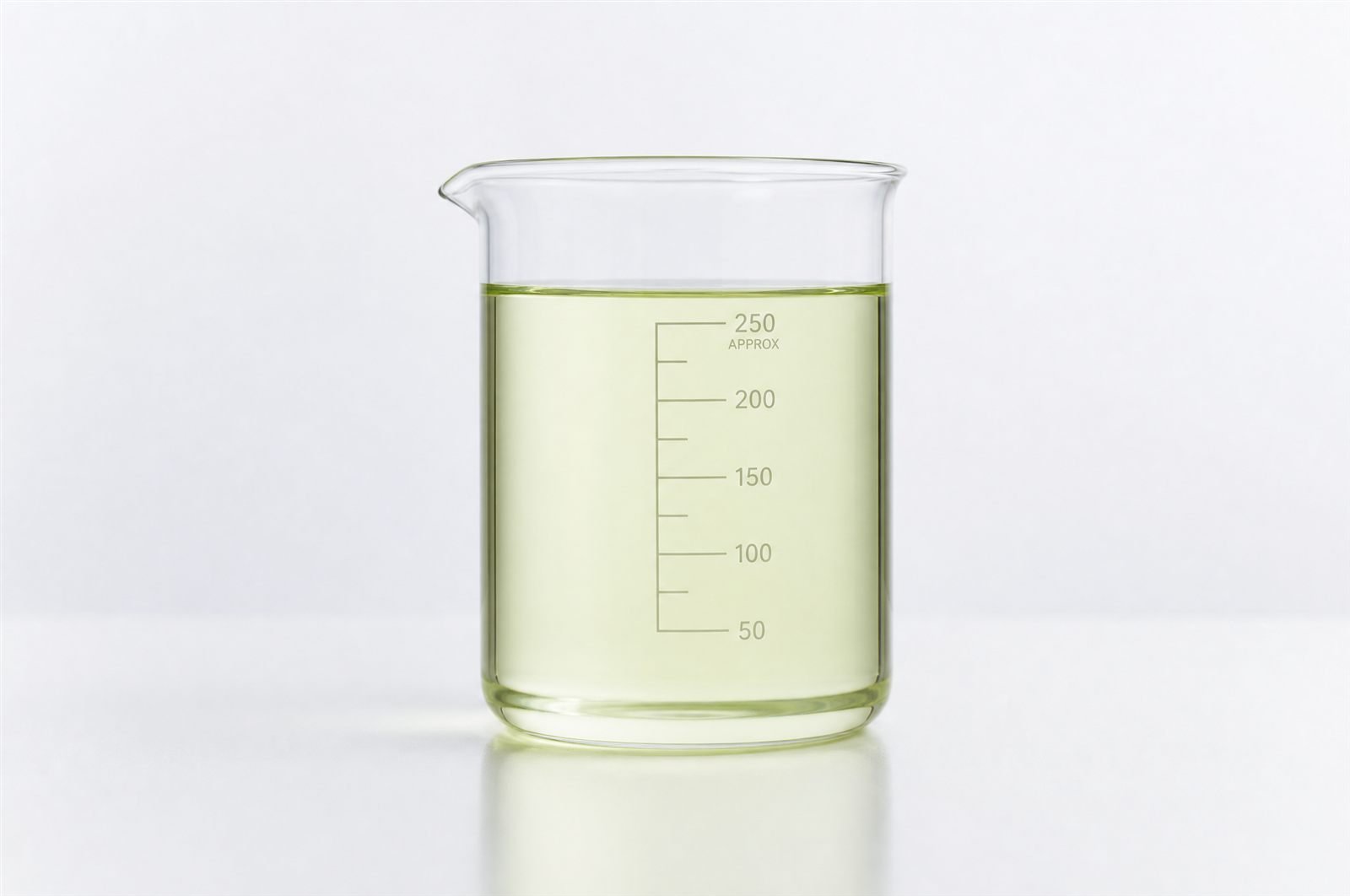
Sodium Hypochlorite
Sodium hypochlorite is supplied as a stabilised liquor with the free alkali held in range, which is what keeps available chlorine from falling away in storage.
We stock the standard 10–14% industrial strength and can supply lower strengths where a diluted, more stable product suits the application better.
Technical specifications
Industrial grade
10–14% available chlorine- Available chlorine10.0–14.0% w/v
- Free alkali (as NaOH)0.5–1.0%
- Sodium chloride (NaCl)12.0% max
- Iron (as Fe)5 ppm max
- Specific gravity @ 30°C1.16–1.22
- AppearanceClear pale yellow liquid
Low strength
4–6% available chlorine- Available chlorine4.0–6.0% w/v
- Free alkali (as NaOH)0.3–0.8%
- Sodium chloride (NaCl)8.0% max
- Iron (as Fe)5 ppm max
- Specific gravity @ 30°C1.07–1.10
- AppearanceClear pale yellow liquid
Figures are typical and non-binding. A certificate of analysis is issued with every consignment.
Packing options
- Carboy35 kg / 50 kg
- HDPE drum250 kg
- IBC tote1000 L
- Bulk tankerTo order
Available chlorine decays with time, heat and light. Store below 30°C in opaque containers away from sunlight and acids, and use on a first-in-first-out basis.
Applications
Selection notes
Strength versus stability higher available chlorine is cheaper per unit of chlorine but decays faster. If you turn stock over slowly, 10% can deliver more usable chlorine than 14% bought at the same time.
Storage decay is real expect measurable loss over weeks at Indian ambient temperatures, and faster above 30°C. Order to consumption rather than stockpiling.
Never mix with acid contact with acid liberates chlorine gas. Keep hypochlorite and acid dosing lines and stores strictly separate.
Why strength falls, and what to do
Decay is chemistry, not poor quality
Hypochlorite decomposes continuously. Rate roughly doubles for each 10°C rise, and light and trace metals accelerate it further. A drum at 14% delivered in May can read appreciably lower by July in an uncovered yard.
Free alkali is the brake
The excess sodium hydroxide we leave in the product, typically 0.5–1.0%, is what slows the decay. A hypochlorite with no free alkali looks the same on delivery and loses strength far faster.
Buy to consumption
This is the single most useful habit. Order what you will use in weeks, not months. If turnover is genuinely slow, a lower strength is often the better economic choice because it decays more slowly.
Safe handling & storage
Never mix with acid
Contact with acid liberates chlorine gas, which is acutely dangerous in an enclosed space. Keep hypochlorite and acid stores, dosing lines, and delivery connections physically separate and clearly labelled.
Never mix with ammonia
Produces chloramine vapour. Relevant wherever hypochlorite is used near cleaning chemicals or in effluent containing ammoniacal nitrogen.
Vent your containers
Decomposition releases oxygen and drums can pressurise. Use vented closures, and open older stock carefully and away from the face.
Store cool and dark
Below 30°C, out of direct sun, in opaque containers. Shade over the storage area is a cheap way to protect strength.
Common questions
How long does sodium hypochlorite last?
There is no fixed shelf life because decay is continuous. Expect measurable loss over weeks at Indian ambient temperatures, and roughly double the rate for each 10 degrees Celsius rise. Order to consumption rather than stockpiling.
Why does sodium hypochlorite contain free alkali?
The excess sodium hydroxide, typically 0.5 to 1.0 percent, slows decomposition. A product with no free alkali loses available chlorine much faster.
What must sodium hypochlorite never be mixed with?
Acid, which liberates chlorine gas, and ammonia, which produces chloramine vapour. Keep stores, dosing lines and delivery connections separate and clearly labelled.
Is a lower strength ever better?
Yes. If stock turns over slowly, a 10 percent product can deliver more usable chlorine over its life than a 14 percent bought at the same time, because it decays more slowly.