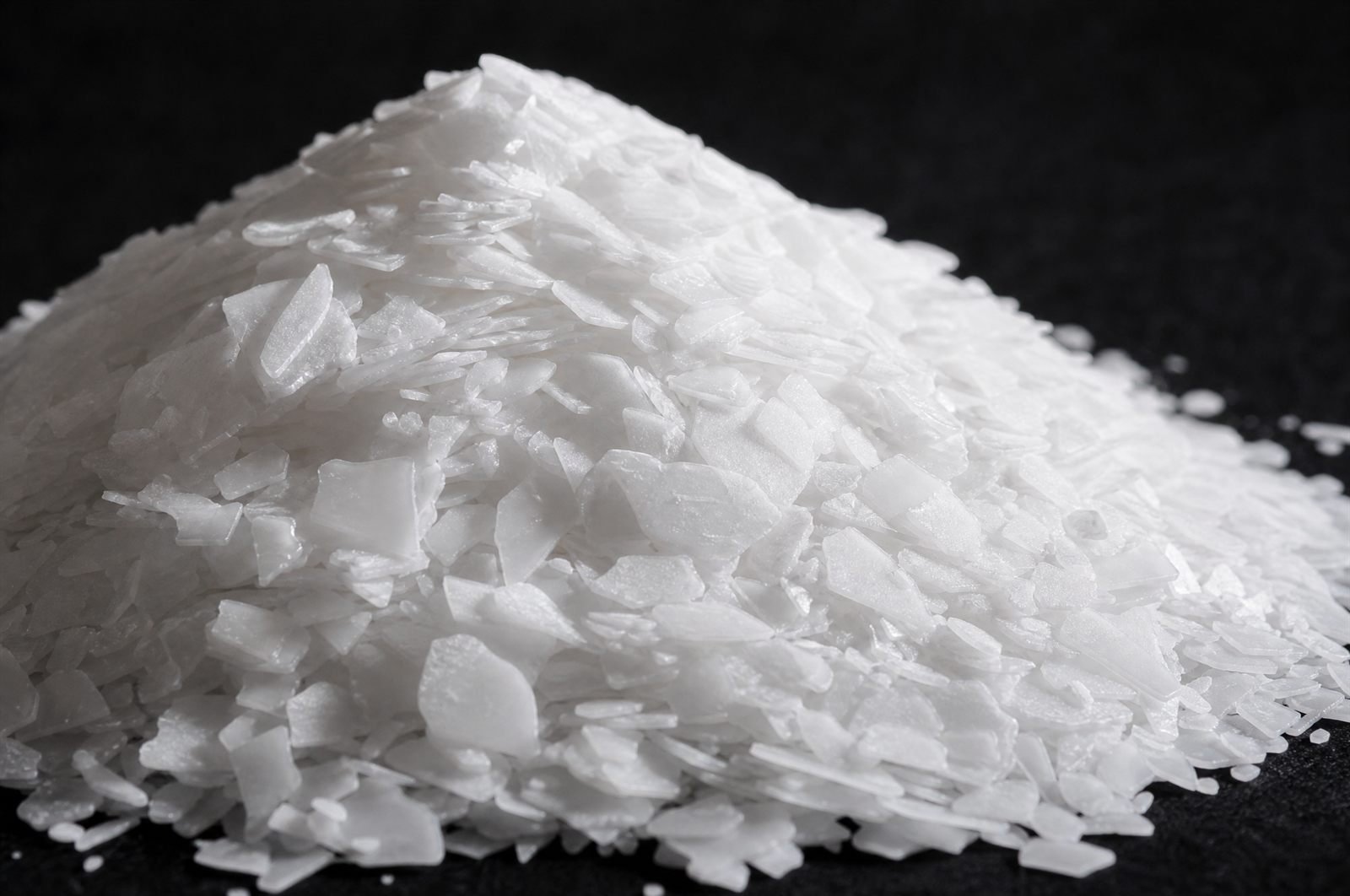
Sodium silicate for detergents
Sodium silicate is one of the oldest and most cost-effective detergent builders still in use. In a powder or liquid formulation it does four jobs at once: it supplies alkalinity to saponify fatty soils, it helps sequester hardness ions so surfactant is not wasted, it keeps lifted soil suspended so it does not redeposit on fabric, and it lays a protective silicate film on the aluminium and zinc parts of a washing machine.
In spray-dried powders it also carries a structural role. Silicate contributes to granule hardness and flow, which is why reducing it too far to cut cost usually shows up as caking or dusting before it shows up in wash performance.
What we supply for this
Technical guidance
Which silicate ratio
For detergents, specify the alkaline grade at 1:2.0 to 1:2.4. Lower ratio carries more soda per unit, which is where the alkalinity and buffering come from. High-ratio neutral grades (3.2–3.3) set harder and suit adhesives, not cleaning.
Typical inclusion
Silicate commonly runs in the single-digit to low-teens percentage of a powder formulation, depending on how much of the building duty is shared with soda ash and how much surfactant is present. We supply at the concentration that suits your slurry, so tell us your target solids rather than only the ratio.
Soda ash alongside
Soda ash supplies carbonate alkalinity and bulk cheaply. It is not a substitute for silicate — carbonate precipitates hardness rather than sequestering it, and it does nothing for metal protection. Most formulations use both.
Caustic soda
Used where saponification is done in-plant, and for pH correction in liquid detergents. If your product is light-coloured, ask for the low-iron grade — iron shows up as discolouration long before it affects performance.
Common questions
Which sodium silicate grade is used in detergent?
The alkaline grade with an SiO2:Na2O weight ratio of 1:2.0 to 1:2.4, typically at 48 to 52 degrees Baume. This carries more soda than neutral grades and delivers the alkalinity and buffering a detergent needs.
Why use sodium silicate instead of only soda ash?
Soda ash precipitates hardness, while silicate sequesters it and keeps soil suspended. Silicate also deposits a protective film on aluminium and zinc parts of a washing machine, which soda ash does not do. Most formulations use both together.
Does sodium silicate affect detergent powder quality?
Yes. Silicate contributes to granule hardness and flow in spray-dried powders. Cutting it too far commonly shows up as caking or dusting before any drop in wash performance.