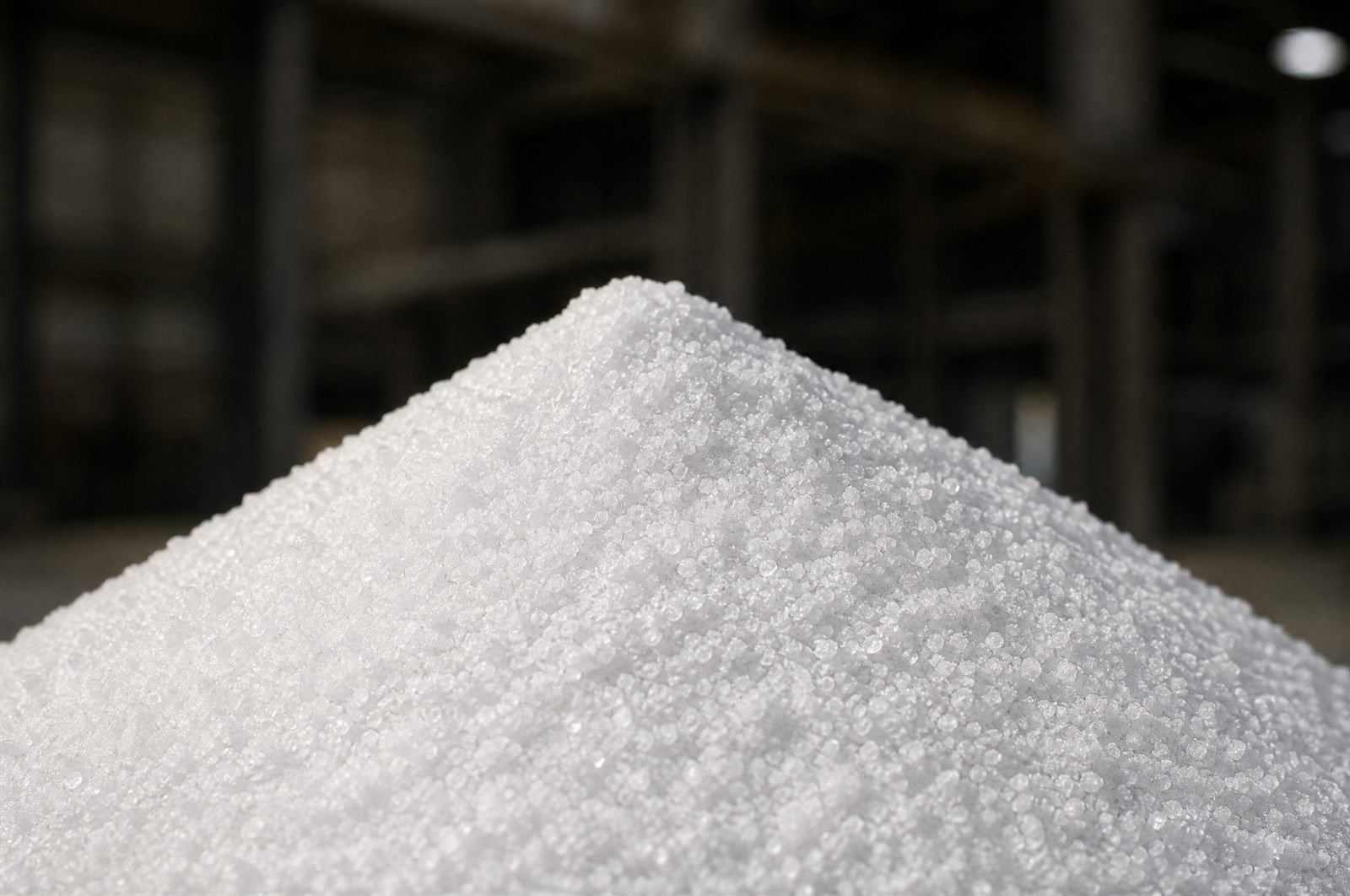
Caustic soda & silicate for textiles
Caustic soda drives the two heaviest chemical steps in cotton processing. In scouring it saponifies natural waxes and pectins so the fabric wets out evenly. In mercerising, a strong cold caustic solution swells the cotton fibre, which permanently raises lustre, tensile strength and dye uptake — a mercerised fabric takes noticeably less dye for the same depth of shade.
Sodium silicate has a different and essential role on the bleaching side. Hydrogen peroxide decomposes rapidly in the presence of trace iron and copper, wasting bleach and causing pinholing in the cloth. Silicate stabilises the peroxide so it releases at a controlled rate through the bleach cycle.
What we supply for this
Technical guidance
Iron matters more than assay
This is the point most buyers miss. Two lots of caustic can both assay at 98% and behave completely differently on light shades, because trace iron causes staining and catalytic damage. If colour is critical, ask for the iron figure, not just the assay. We will pick stock against the tighter Fe limit when you specify it.
Mercerising versus scouring
Mercerising uses a strong cold caustic liquor and is about permanently modifying the fibre. Scouring uses a much weaker hot solution and is about removing impurities. They are different concentrations of the same chemical, so specify which process you are buying for.
Silicate as peroxide stabiliser
Dosed into the bleach bath, silicate sequesters the trace metals that would otherwise decompose your peroxide, and buffers alkalinity through the cycle. Skipping it typically shows up as inconsistent whiteness and localised fibre damage.
Flakes or lye
Mills running continuous processes with tank storage generally take lye and avoid the dissolving step entirely. Batch operations and smaller units usually find flakes easier to handle and store.
Common questions
What concentration of caustic soda is used for mercerising?
Mercerising uses a strong cold caustic solution, considerably more concentrated than the weak hot liquor used for scouring. Specify which process you are buying for, as the two differ substantially.
Why is sodium silicate added to peroxide bleaching?
Hydrogen peroxide decomposes rapidly when trace iron or copper is present. Sodium silicate sequesters those metals and buffers the bath, so peroxide releases at a controlled rate instead of being wasted and causing pinholing.
Does the iron content of caustic soda matter for textiles?
Yes, and often more than the assay. Trace iron causes staining and catalytic fibre damage on light shades. Two lots can both assay at 98 percent and perform very differently, so request the iron figure for colour-critical work.